
Sedona Travel · 8 minute read · Updated November 27, 2026
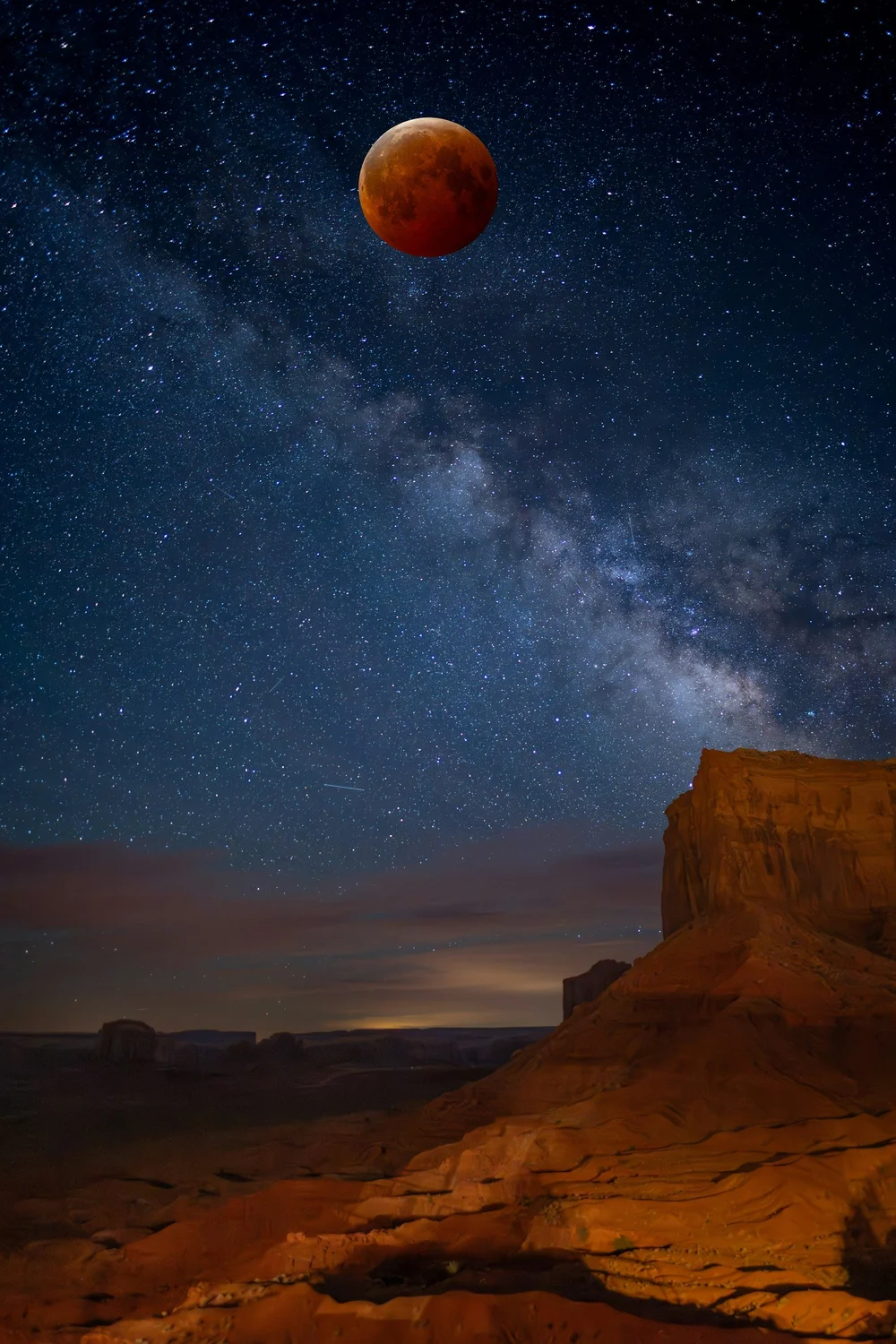
Sedona's red rocks get the daytime attention, but after dark the town has another draw: some of the most carefully protected night skies of any community in the country. This guide covers why the stars are so bright here, where to go, when to plan your night, and how to stay warm, safe and legal while you look up.
The short answer
Sedona was named an International Dark Sky Community in 2014, and its lighting rules keep the sky unusually dark for a town. For the best views, plan around the new moon, give your eyes 20 to 30 minutes to adjust, and head to a low-light pullout or trailhead on the edge of town such as Beaverhead Flat Scenic Overlook. If you would rather have a guide and telescopes, Red Rock State Park hosts ticketed star parties, and Lowell Observatory in Flagstaff offers nightly public stargazing. In December 2026, the Geminid meteor shower peaks on the night of December 13 to 14 under a slim crescent moon.
Why the night sky is so dark in Sedona
In August 2014 the City of Sedona was named the world's eighth International Dark Sky Community by the International Dark-Sky Association, now called DarkSky International. The application was prepared by the local group Keep Sedona Beautiful after the City Council made the designation a priority in 2012. Flagstaff, about 30 miles north, was the world's first International Dark Sky City, and the nearby Village of Oak Creek has since earned its own Dark Sky Community designation.
The designation is not a marketing label. It reflects outdoor lighting rules: fixtures are shielded and pointed down so light falls where it is needed instead of spilling into the sky. That matters because light pollution, not weather, is what hides most of the stars for most Americans. In Sedona you can often see the Milky Way from the edge of town on a clear, moonless night without driving hours into the desert.
Be a good dark-sky guest. Use a red flashlight or the red-light mode on your phone, keep headlights off once you park, and avoid shining lights at other people's telescopes or cameras. Your eyes, and theirs, take up to half an hour to fully adjust to the dark.
Where to stargaze in and around Sedona
Visit Sedona's own stargazing guide points visitors to a handful of trailheads and overlooks on the edges of town, where nearby buildings and streetlights drop away. These are the ones most visitors can reach easily:
A seldom-used pullout south of the Village of Oak Creek with an open view of the sky in most directions. A good first choice because you can stay near your car.
Looks toward Cathedral Rock, which makes it a favorite for night photography with a red rock silhouette in the foreground.
West Sedona trailheads tucked against the cliffs, away from the busier parts of town.
Easier-to-reach options closer to town. The sky is not quite as dark, but they work well for a short evening outing.
A few practical points before you go:
- Parking passes. Many Sedona-area sites on the Coconino National Forest are fee sites. If you leave your vehicle at one, you need a Red Rock Pass or an America the Beautiful pass, and a handful of concessionaire-run sites use a separate Coconino Pass. Check the sign at the trailhead.
- Stay near the trailhead. You do not need to hike to see the stars. Walking unfamiliar trails in the dark is the main way stargazing goes wrong, so enjoy the sky from the parking area or a short, well-known path.
- Check road conditions. Rain and fall flooding have affected some routes this season. Our Sedona in winter guide covers current road changes, including the State Route 89A closure through upper Oak Creek Canyon.
If you are staying in Uptown, even a short drive west or south takes you out of the brightest part of town. For daytime ideas near the same trailheads, see our Sedona hiking guide.
When to go: moon, season and weather
The single biggest factor you can plan around is the moon. A bright moon washes out faint stars and the Milky Way, so the darkest nights fall in the week or so around the new moon. A thin crescent that sets early in the evening is fine.
December 2026: the Geminid meteor shower
The Geminids are usually the strongest meteor shower of the year. In 2026 the shower peaks all night on December 13 to 14, and EarthSky notes that the first quarter moon does not arrive until December 17, so the peak falls under dark skies. Under ideal conditions you might see up to about 120 meteors an hour, although real-world counts are lower. Meteors can still be caught for several nights on either side of the peak. No telescope is needed: lie back on a reclining chair or blanket and look at the widest patch of open sky.
Season by season
| Season | What to expect after dark |
|---|---|
| Winter (Dec to Feb) | Long, crisp nights and early darkness. Temperatures often drop toward freezing, so dress for it. The bright winter constellations, including Orion, are high in the evening sky. |
| Spring (Mar to May) | Milder evenings. The core of the Milky Way starts to appear before dawn and moves earlier through the season. |
| Summer (Jun to Sep) | The Milky Way's bright core is visible in the evening. The July to September monsoon brings afternoon storms and clouds, so check the forecast and lightning risk. |
| Fall (Oct to Nov) | Often clear and comfortable, with the Milky Way setting earlier in the west each week. |
For a month-by-month look at weather and crowds, see our guide to the best time to visit Sedona.
Guided stargazing: star parties, tours and an observatory
A guide turns a pretty sky into a sky you can read. These are the established options:
- Red Rock State Park star parties. The park hosts after-hours star parties with the local astronomy club AstroVerde, the Astronomers of Verde Valley. The program opens with a short presentation, followed by viewing through members' telescopes. Registration is required, there is a per-person fee, and only registered guests can enter after regular hours, so check the Arizona State Parks events calendar and book ahead.
- Private stargazing tours. Several local companies run small-group tours with telescopes and a guide, often at dark sites just outside town. They are a good fit for families and anyone who wants to see planets and deep-sky objects without bringing equipment.
- Lowell Observatory, Flagstaff. The historic observatory where Pluto was discovered offers public stargazing on its Giovale Open Deck Observatory, which has six telescopes for visitors, including a 32-inch reflector that Lowell describes as one of the largest available for public observing in Arizona. Flagstaff was the world's first International Dark Sky City. Allow extra driving time while SR 89A through Oak Creek Canyon is closed, and check Lowell's website for current hours and tickets.
What to bring for a comfortable night under the stars
- Warm layers, a hat and gloves. Desert air cools quickly after sunset, and winter nights can drop below freezing.
- A red light. A red flashlight, or red tape over a white one, protects your night vision.
- A reclining chair or blanket. Looking straight up while standing gets uncomfortable within minutes.
- Binoculars. Ordinary binoculars show far more stars, the craters of the moon and bright star clusters.
- A sky app or star chart. Turn on its night mode to keep the screen dim and red.
- Water, snacks and a charged phone. Tell someone where you are going, and remember that cell service can be patchy at some trailheads.
- Your passes. A Red Rock Pass or America the Beautiful pass if you park at a fee site.
Stargazing and astrology: two ways of looking up
Many people who come to Sedona for its spiritual side are curious about astrology as well as astronomy. They are different things. Astronomy is the science of what is actually in the sky: stars, planets and galaxies, measured and explained through physics. Astrology is a symbolic tradition, thousands of years old, that reads meaning into the positions of the sun, moon and planets. Scientific studies have not found that astrological positions predict personality or events, and many people still value astrology as a framework for reflection.
A night of stargazing is a lovely way to connect the two: you can find the actual constellations behind the zodiac signs you know, and see the planets that astrologers track moving against them over the weeks. If you would like a reading during your stay, Gateway offers astrology and psychic readings with Elizabeth HeartStar and other intuitive readings in Uptown Sedona.
Frequently asked questions
Is Sedona good for stargazing?
Yes. Sedona has been an International Dark Sky Community since 2014, and its shielded, downward-facing outdoor lighting keeps the sky unusually dark for a town of its size. On clear, moonless nights the Milky Way is often visible from the edge of town.
Where is the best place to see stars in Sedona?
Low-light trailheads and overlooks on the edges of town work best. Visit Sedona highlights Beaverhead Flat Scenic Overlook, Baldwin, Aerie, Fay Canyon, Brins Mesa, Centennial and Thunder Mountain trailheads. Check whether a parking pass is required where you stop.
When is the best time of month to stargaze?
The week or so around the new moon gives the darkest skies. A bright moon washes out faint stars and the Milky Way.
Can you see the Milky Way from Sedona?
Yes, on clear, moonless nights away from bright lights. Its brightest region, the core, is best seen in the evening from late spring through summer.
When is the Geminid meteor shower in 2026?
It peaks all night on December 13 to 14, 2026, with meteors possible for several nights before and after. The moon is a slim crescent at the peak, so conditions are favorable.
Do I need a telescope?
No. Your eyes are enough for meteor showers and the Milky Way, and binoculars add a lot. For planets and galaxies, join a star party or guided tour where telescopes are provided.
Pair a night under the stars with a day of rest
Stargazing in Sedona often means a late, chilly night. Gateway Cottage Wellness Center in Uptown Sedona is an easy place to warm up the next day with a massage, a couples session or a sound journey. For more ideas, browse our things to do in Sedona and spiritual experiences in Sedona guides.